UX Case Study
Improving Medisafe for Seniors & Caregivers
2025 | UC San Diego Extension | UX Researcher | Digital Health | Accessibility Design
Background
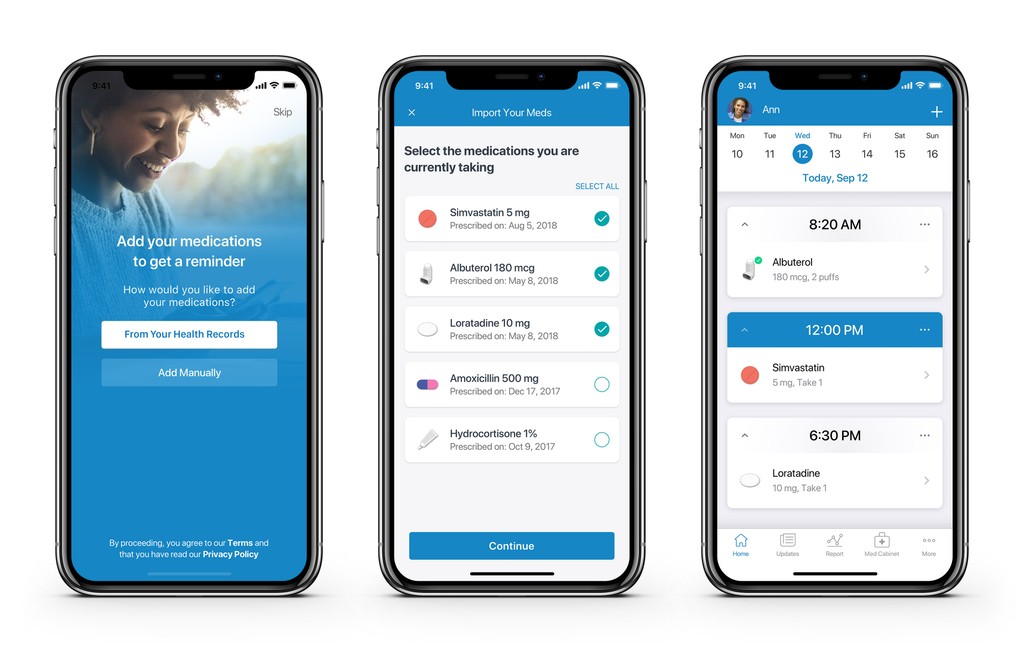
To better understand the landscape of medication management tools, a brief competitive analysis was conducted. Apps such as Doescast, MyTherapy, and EveryDose were reviewed to identify common features, design strengths, and gaps in accessibility and caregiver support.
Objective
Improve the accessibility and usability of Medisafe for older adults and caregivers through user-centered UX enhancements.
Methods Used
5
User Interviews
3 seniors | 2 caregivers
2
Evaluation Frameworks.
NN/g + WCAG
100%
Task-based Usability Testing
3
Competitor Apps Analyzed
User Personas

Charles, 82
"The Determined Adopter"

James, 76
"The Hesitant Beginner"

Doris, 80
"The Simplicity Seeker"


User Testing
Task List
• Download & Create an Account
• Set Up a Medication Reminder
• Check Today's Medication
• Explore Caregiver Tools
• Free vs. Premium Features

Key Problems Identified
• Incomplete Onboarding
• Unclear Next Steps
• Accessibility Barriers
• Free vs. Premium Confusion
• Hidden Caregiver Tools
Problem 1
Limited Onboarding
Users feel lost after sign-up. Without clear onboarding, first-time users hesitate and drop off before discovering the app's value.
Problem 2
Accessibility Gaps
Small touch targets and low contrast make simple tasks feel hard. Poor accessibility leaves older users frustrated and unsure.
Problem 3
Confusing Features
Confusing upgrade prompts and unclear premium features erode trust. Users - especially seniors - disengage when transparency is missing.
Conclusion
This case study explored how Medisafe can better support older adults and caregivers by focusing on inclusive, accessible design. The proposed solutions — personalized onboarding, a senior-friendly interface, and clear pricing — aim to build trust and confidence while making daily medication management and health tracking easier.
Through this process, I was reminded how powerful small usability improvements can be. Designing for seniors requires empathy, simplicity, and testing with real people. When we remove barriers and design with understandoing, we create experiences that truly support independence and care.